Tirupati
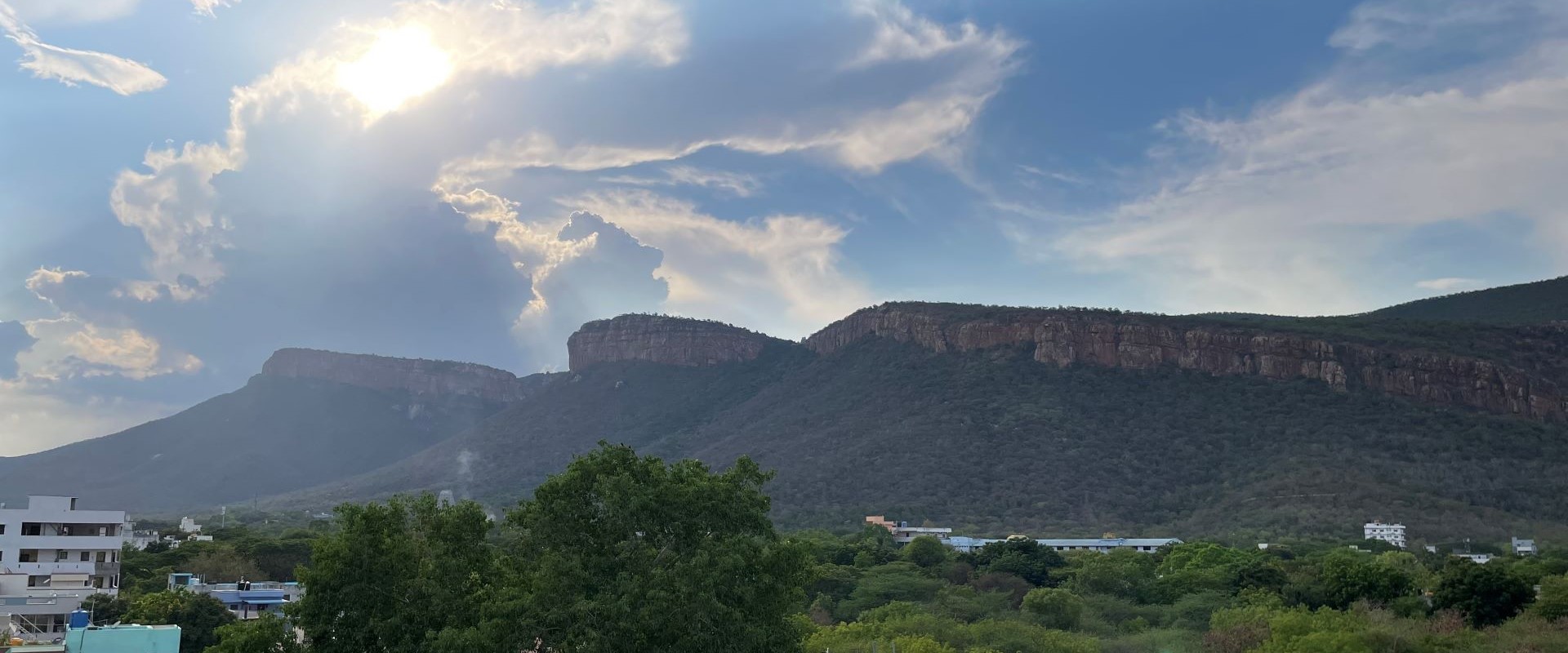
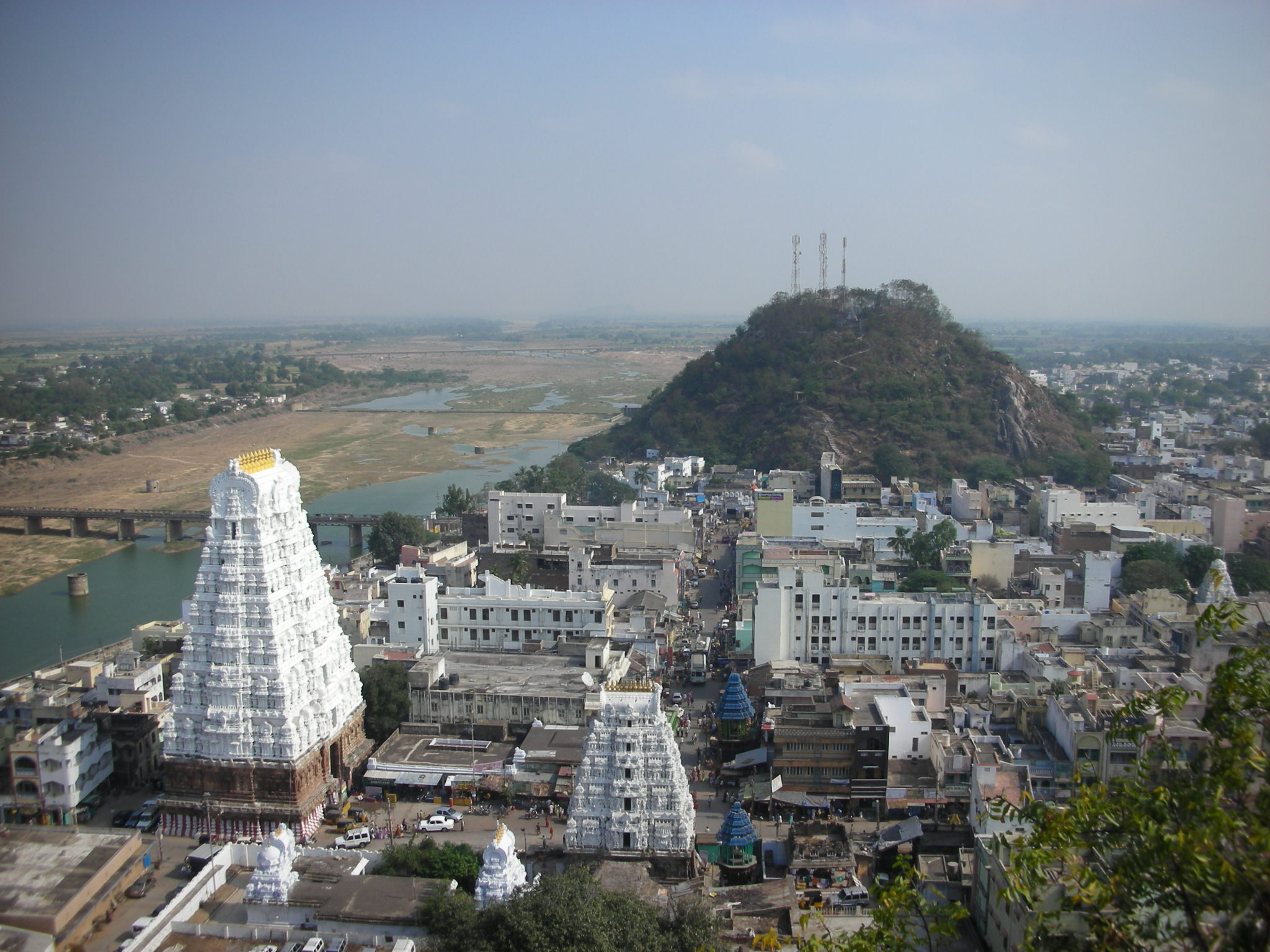
Tirupati is a globally renowned spiritual city located in the Chittoor district of Andhra Pradesh, India, widely celebrated as the home of the world-famous Venkateswara Temple. Nestled at the foothills of the scenic Seshachalam Hills, it transitions from a bustling, vibrant urban city valley to the serene, highly managed alpine sanctuary of Tirumala at its peaks. Millions of global pilgrims make the journey to this holy site annually, making it one of the most visited and affluent religious hubs on earth.
🏛️ The Spiritual Geography: Tirupati vs. Tirumala
Understanding Tirupati requires separating the landscape into two distinct geographic zones connected by beautifully maintained mountain roads:
- Tirupati (The Base Town): Located in the plains, this zone houses major transit hubs (railway stations and airports), top universities, budget and luxury hotels, and historical temples like the Sri Govindaraja Swamy Temple and Kapila Theertham (a unique Shiva temple at the base of a mountain waterfall).
- Tirumala (The Sacred Hilltop): Perched across the Seven Hills (representing the seven hoods of the cosmic serpent Adisesha), Tirumala is the strictly regulated, pristine town that contains the main Sri Venkateswara Swamy Temple. It is entirely managed by the Tirumala Tirupati Devasthanams (TTD), which enforces a alcohol-free, vegetarian, and deeply spiritual code of conduct across the entire hilltop ecosystem.
✨ The Core Marvel: Sri Venkateswara Swamy Temple
The crown jewel of Tirumala is the ancient temple dedicated to Lord Venkateswara, an incarnation of Lord Vishnu.
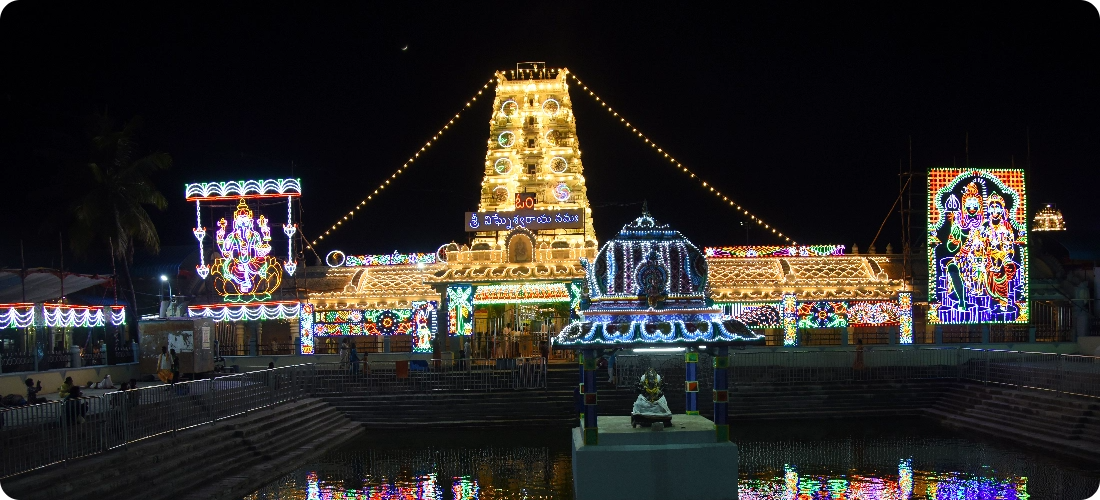
- Architecture: Built in traditional Dravidian architectural style, the temple features a magnificent gold-plated vimana (dome) known as the Ananda Nilayam over the sanctum sanctorum, along with towering white gopurams (gateway towers).
- The Deity: The majestic 8-foot-tall black granite idol of Lord Balaji stands adorned in intricate gold armor and priceless diamond crowns.
- Traditions & Culture: Tirupati is deeply tied to timeless pilgrimage traditions, most notably Tonsuring (the voluntary shaving of heads by millions of men, women, and children as a sign of surrendering ego to the divine) and the world-famous, GI-tagged Tirupati Laddu, a rich sweet distributed as sacred prasadam.
🧗 Paths of Devotion: Alipiri and Srivari Mettu
While many choose to use the frequent state transport buses or private cars via the scenic ghat roads, hundreds of thousands of pilgrims choose to ascend the hills by foot along two historic, well-sheltered stone step walkways:
- Alipiri Footpath: The classic, longer route starting directly from Tirupati town. It spans roughly 9 km and involves climbing 3,550 steps, typically taking 4 to 6 hours. It stays open 24/7 and passes beautiful scenic overlooks and resting camps.
- Srivari Mettu Footpath: A shorter, much steeper historic track located about 20 km outside the main town. Spanning just 2.1 km with 2,388 steps, it can be cleared in 2 to 3 hours but operates only during daylight hours.
🚗 Practical Visitor Information
- Best Time to Visit: The cooler, pleasant winter months from October to March offer the best weather. The grand 9-day Brahmotsavam festival (usually falling between September and October) sees spectacular chariot processions but introduces massive festival crowds.
- Darshan Management: Due to the extraordinary volume of pilgrims, waiting in the free queue (Sarva Darshan) can take anywhere from 6 to 24+ hours. It is highly recommended to book the Special Entry Darshan (₹300 ticket) months in advance on the Official TTD Booking Portal to reduce your wait time significantly to 3–5 hours.
- Dress Code: Strict traditional attire is mandatory to enter the inner temple lines. Men must wear a Dhoti (with a shirt or upper cloth) or Kurta-Pyjama. Women must wear a Saree, Half-Saree, or Churidar with a Dupatta.


Featured
₹4,500
₹3,250
/night
Not rated
0 Review
6
2
2
1200 sqft
Featured
₹5,000
₹3,500
/night
Not rated
0 Review
6
2
2
1200 sqft
Featured
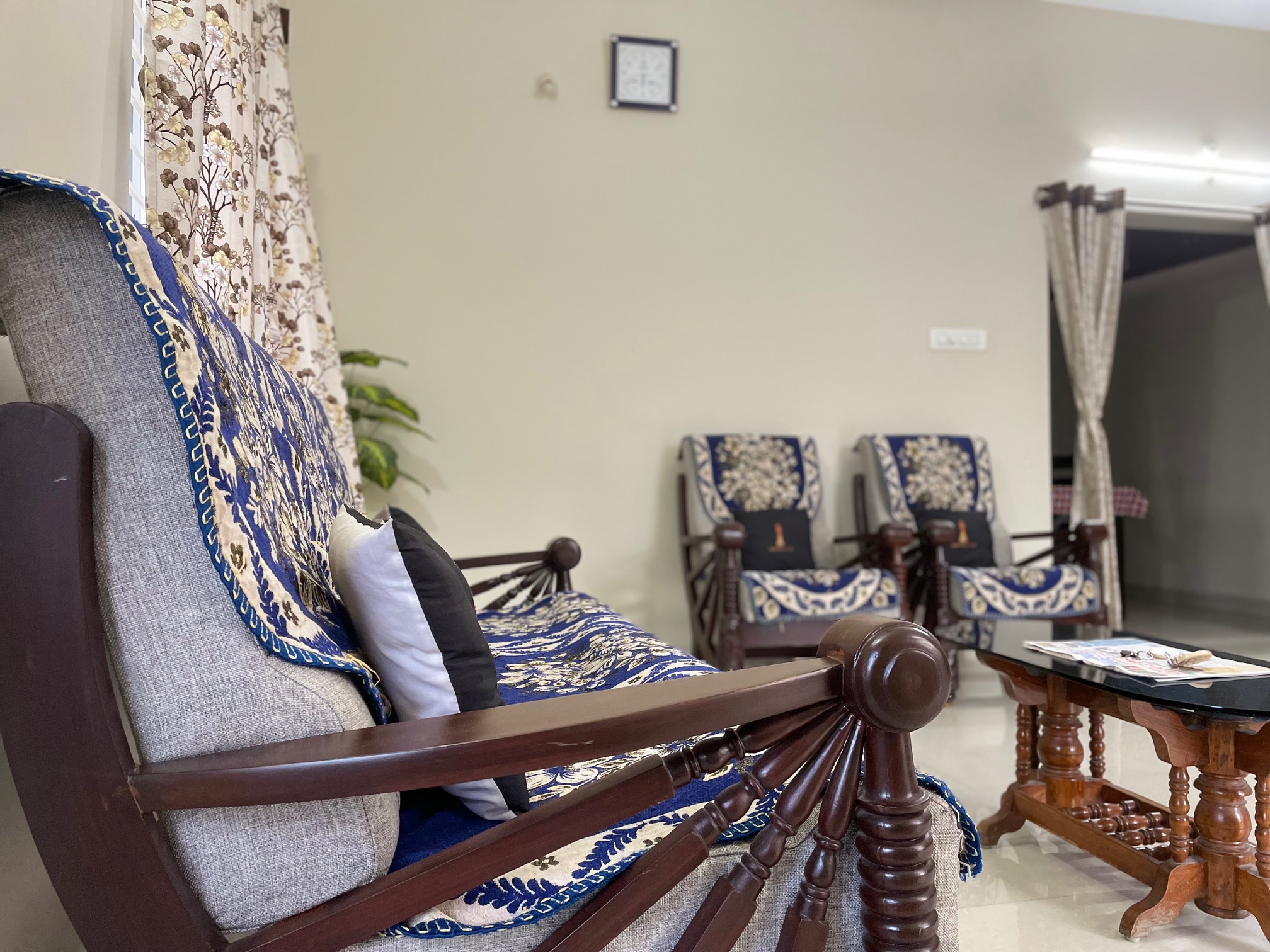
₹4,500
₹3,250
/night
Not rated
0 Review
6
2
2
1200 sqft
Featured
₹4,500
₹3,250
/night
Not rated
0 Review
6
2
2
1200 sqft
Featured
₹4,500
₹3,250
/night
Not rated
0 Review
6
2
2
1200 sqft
Featured
₹4,500
₹3,250
/night
Not rated
0 Review
6
2
2
1200 sqft
Featured
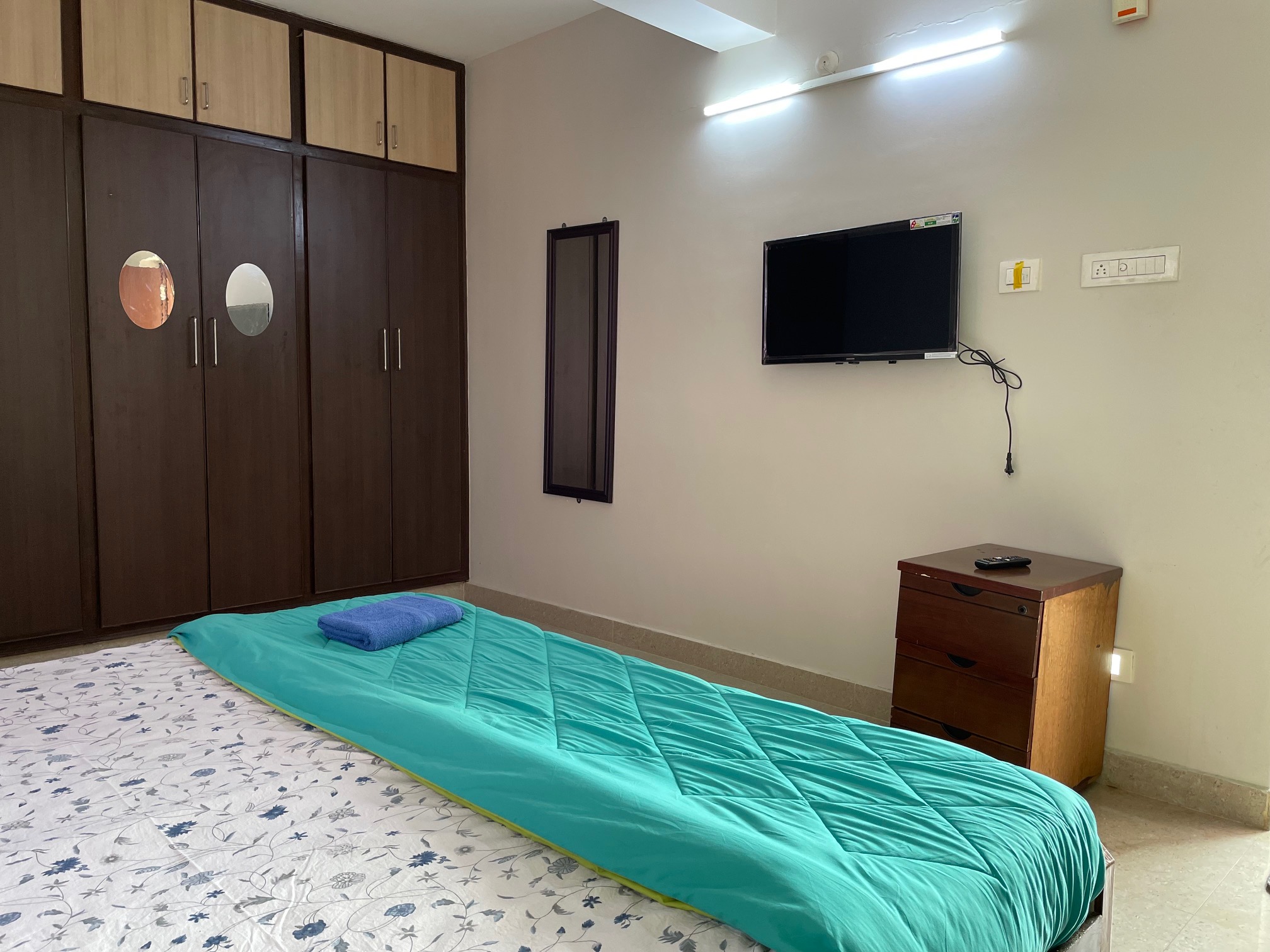
₹2,100
₹1,850
/night
Not rated
0 Review
3
1
1
200 sqft
Featured
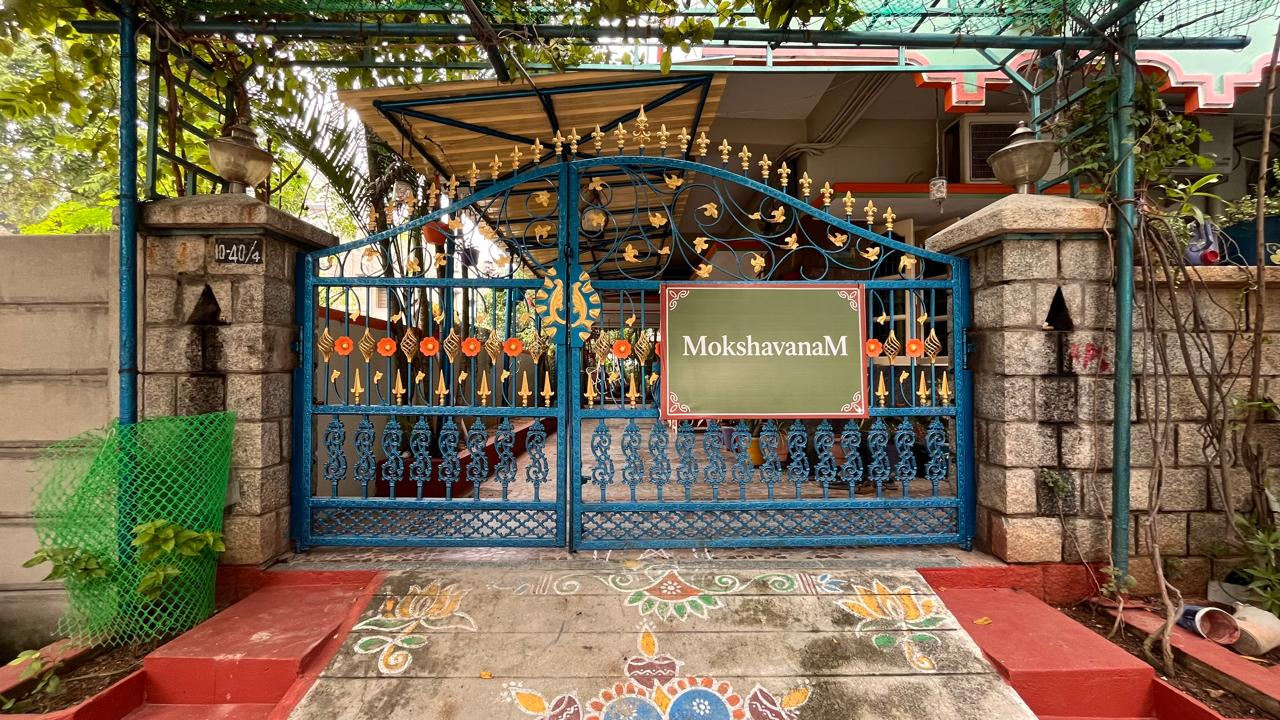
₹3,500
₹2,250
/night
Not rated
0 Review
5
3
1
1200 sqft






The City Maps
Get Updates & More
Thoughtful thoughts to your inbox
Copyright © 2026 by SSN STAYS
 SSN STAYS

SSNTPT20 - FLAT 20% DISCOUNT COUPON